Watch: The Man Who Laughs
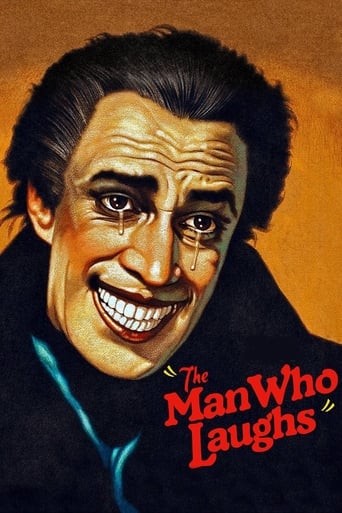
The Man Who Laughs
Drama • Romance • Horror
Theatrical Release (US)
~ THE BREAKING HEART BEHIND THE LAUGHING FACE. ~
Overview:
When a proud noble refuses to kiss the hand of the despotic King James in 1690, he is cruelly executed and his son surgically disfigured.
Director:
Paul Leni
Status:
Released
Language:
English
Buget:
$0.00
Revenue:
Key words:
Cast
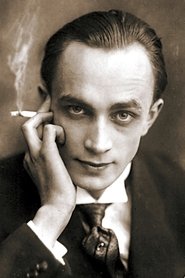
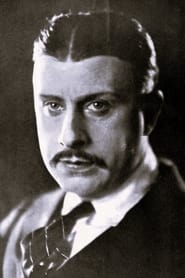
Conrad Veidt
~ as ~
Gwynplaine / Lord Clancharlie
Mary Philbin
Dea
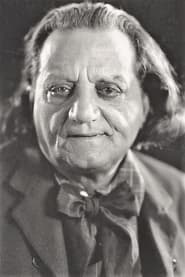
Cesare Gravina
Ursus
Brandon Hurst
Barkilphedro
Olga Baclanova
Duchess Josiana
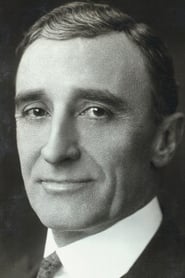
Sam De Grasse
King James II
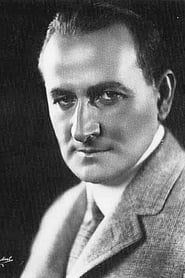
Stuart Holmes
Lord Dirry-Moir
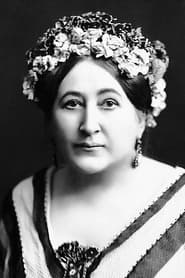
Josephine Crowell
Queen Anne
Julius Molnar
Young Gwynplaine
Károly Huszár
Innkeeper
CinemaSerf
Written 1 year(s) ago
You Might Like
Lemon Tree
Nothing Underneath
Moral
The Queens
Game 6
For Heaven's Sake
The Penalty
Dracula: Pages from a Virgin's Diary
Down the Ancient Stairs
Stung
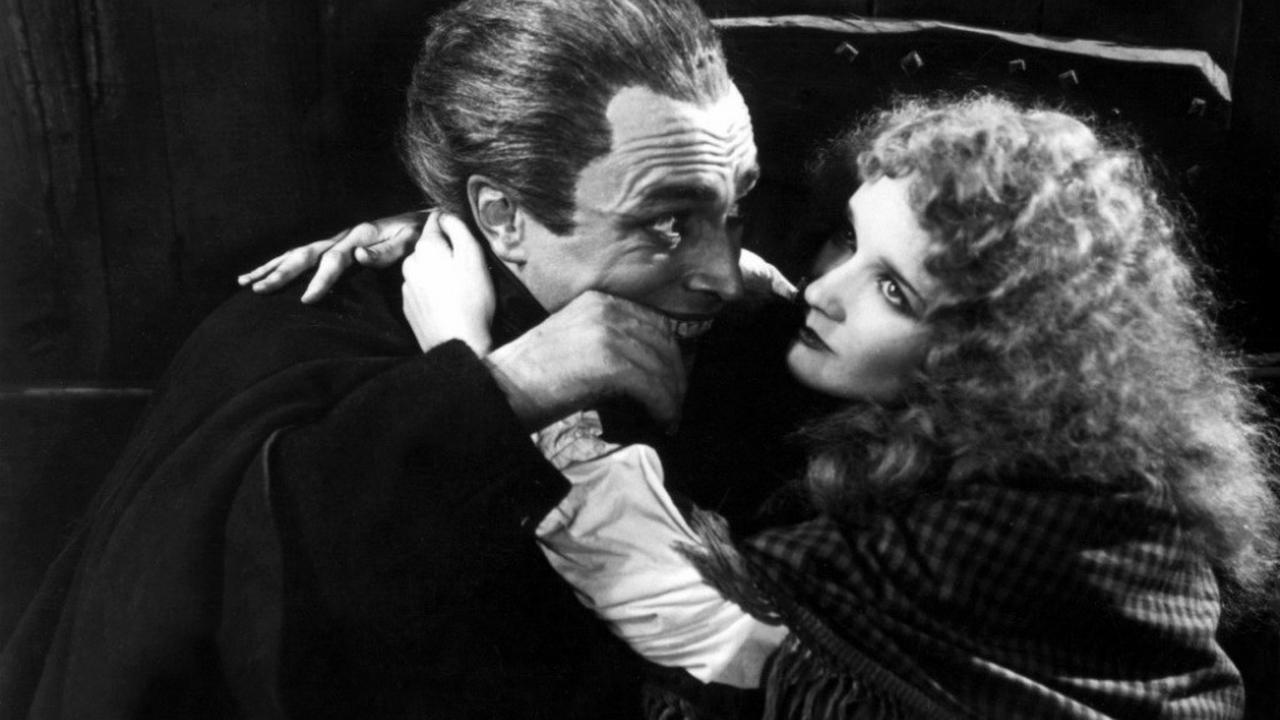
When King James VII (& II) (Sam De Grasse) decides to take revenge on one of his treacherous nobles, he visits the most abhorrent of gifts on his young son. A grin. Cut into his face so that he may always be able to laugh at the thought of his father's betrayals! Pretty swiftly, that king is deposed and the youngster grows up to be "Gwynplaine" (Conrad Veidt). He, in turn, rescues the blind young "Dea" (Mary Philbin) and together they grow up with "Ursus" (Cesare Gravina) as their protector-cum-philosophiser! Besotted, the marked man hides his visage behind a dark cloak certain this his increasing love of "Dea" can never be reciprocated. All the while, Queen Anne (Josephine Crowell) now reigns and thanks to her manipulative jester "Barkilphedro" (Brandon Hurst) - who also worked for the former king, and his puppet-master the rather malevolent "Duchess Josiana" (Olga Baclanova) "Gwynplaine" is introduced to the Stuart court. That's a viper's nest of intrigues and game-playing, presided over by the shrewd and domineering monarch - and soon he becomes embroiled in a plot that could lead to his own destruction whilst he struggles to retain his own sense of decency and, of course, the affections of his love. It's a standard historical story of betrayal and retribution, this - but the photography and direction do really help it stand out. The initial scenes with the "iron lady" - a weapon of torture whose presence prevails throughout - are effective, and Weidt and his piercing eyes (well lit, too) focus the attention well as his character comes to terms with the wrongs done in the past and his options for the future. Some of the scenes are quite intimate and almost provocatively shot, and the settings generally are perfectly matched to the increasingly Machiavellian and sometimes quite amusing plotting that still leaves room for an unfolding love story that avoids sentimentality and delivers with grit and realism a dark depiction of early 17th century British politics.