La Cocina: Society in a Pressure Cooker
Not every film needs to be an Aesop's fable, and "La Cocina" understands this perfectly. Alonso Ruizpalacios has crafted an impressive slice-of-life film that elevates the genre by compressing time, making everything that can happen in a restaurant kitchen visible within 139 minutes. That alone is worth the price of admission.
What makes the film remarkable is how successfully it offers a bird's eye view of society itself. The kitchen becomes a perfect microcosm of its setting, complete with all the warts: racism, class discrimination, dishonesty, and the relentless exploitation of workers. We see humanity at its most pressured, where the cracks in our social fabric become impossible to ignore.
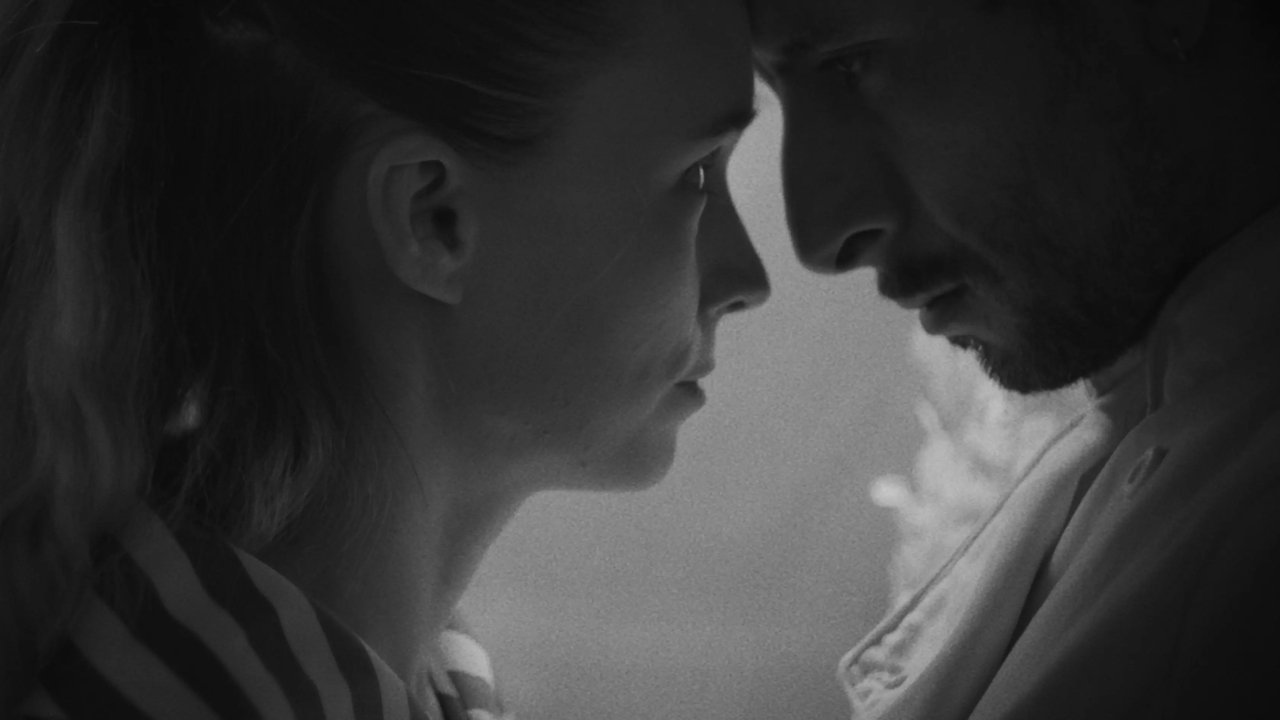
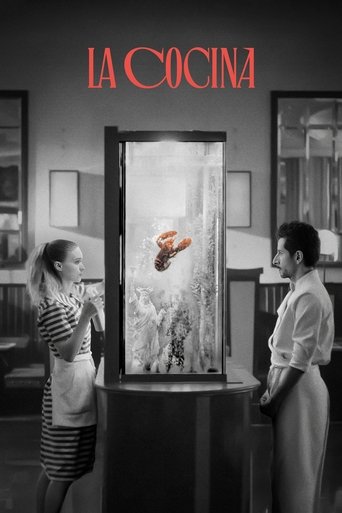
Visually, "La Cocina" is a delight. The black-and-white cinematography, the precise framing, and the pacing are as brilliant as the screenplay. Ruizpalacios creates a documentary-like immersion that never feels static, capturing the frenetic energy of kitchen labor while maintaining compositional control.
The film's deepest moment comes through Nonzo's green light story: a parable about someone so dehumanized by the powerful that nothing remains, until the sky opens and a green light shines down, a cosmic reminder of inherent human value before he disappears. In the closing shot, Ruizpalacios employs the Schindler's List technique, breaking into color to illustrate this metaphor. After 139 minutes of monochrome chaos, that single moment of color affirms what the film quietly insists throughout: these invisible workers are human, and therefore invaluable.