An Ohio family vs a clan of cannibals in the Southwest desert
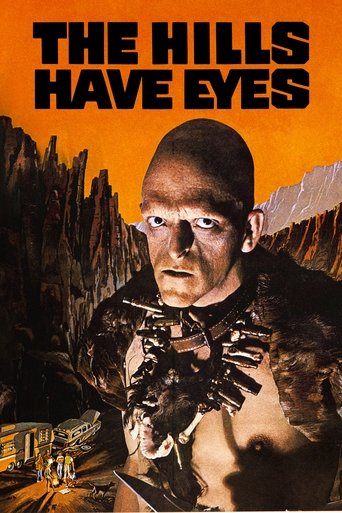
Wes Craven developed this after the deserved success of “The Texas Chainsaw Massacre” with further inspiration stemming from the 16th century ‘Sawney’ Bean legend of Galloway, Scotland. “Deliverance” was also no doubt an influence, not to mention a little “Straw Dogs” seeing as how the theme involves civilized people turning to utter savagery to survive, which was also the moral of “Witchfinder General,” aka “The Conqueror Worm.”
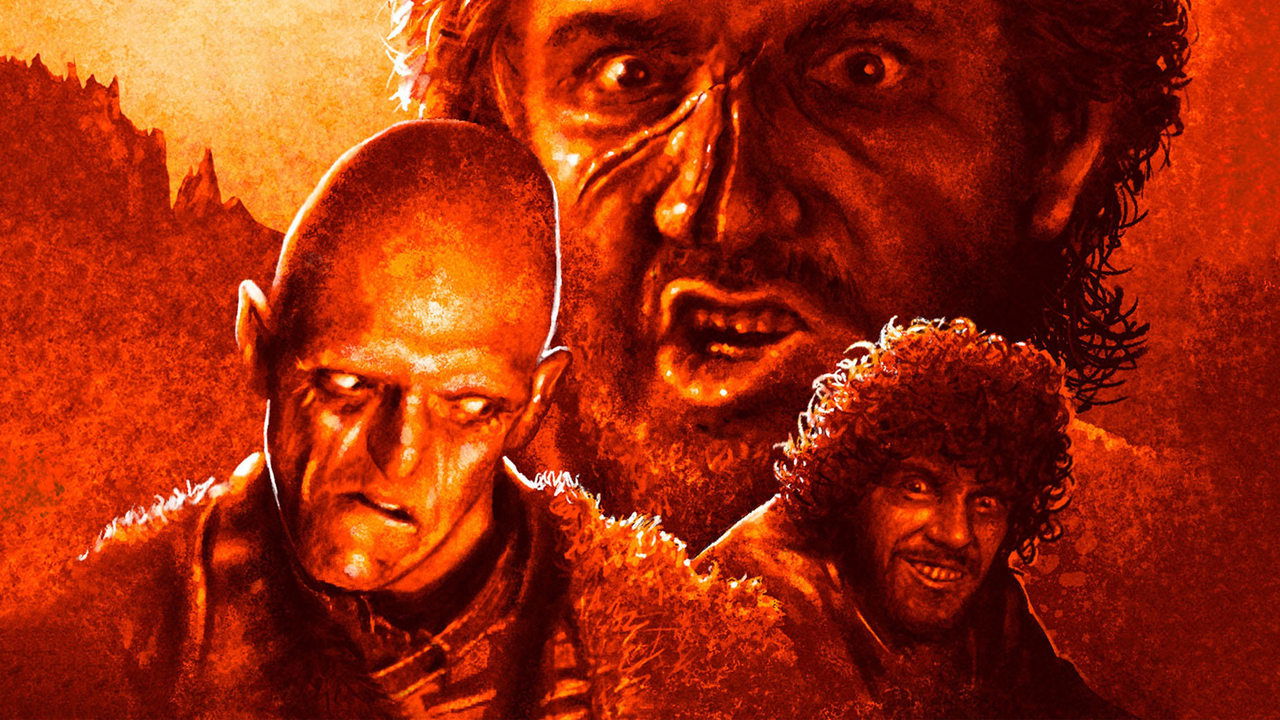
The milieu and general vibe is similar to “Gargoyles” from four years earlier, but this is easily the least of all these movies due to a lack of artistry, dull storytelling, and comic booky antagonists. It would’ve worked better IMHO if the cannibal family was depicted in a more mysterious manner. Instead, they’re depicted in broad daylight pretty much from the get-go.
If you can roll with the cheesiness, however, the proceedings pick up in the last act with an interesting turn-the-tables element.
Janus Blythe stands out in the feminine department as Ruby, who thankfully comes to the fore in the final half hour. More should’ve been done with her. Janus happened to be one of the few good things about Tobe Hooper’s “Eaten Alive” from the year before. Dee Wallace (Lynne) is a slightly lesser highlight while conventional blonde Susan Lanier (Brenda) is a’right.
A sequel came out in 1984 (which I have yet to view; and probably won’t after seeing this), followed by a remake in 2006, which isn’t exactly great but it’s superior to this, plus a mediocre sequel in 2007. The Asylum’s “Hillside Cannibals” came out shortly after the remake and it effectively kept the proceedings raw, grim and horrifying. S. Craig Zahler was inspired by these films (and the “Wrong Turn” franchise) for his superior "Bone Tomahawk,” which is distinguished by being a Western.
It runs 1h 30m and was shot in Victorville in the Mojave Desert, which is located 85 miles northeast of Los Angeles.
GRADE: C